

Alpha Cybertech
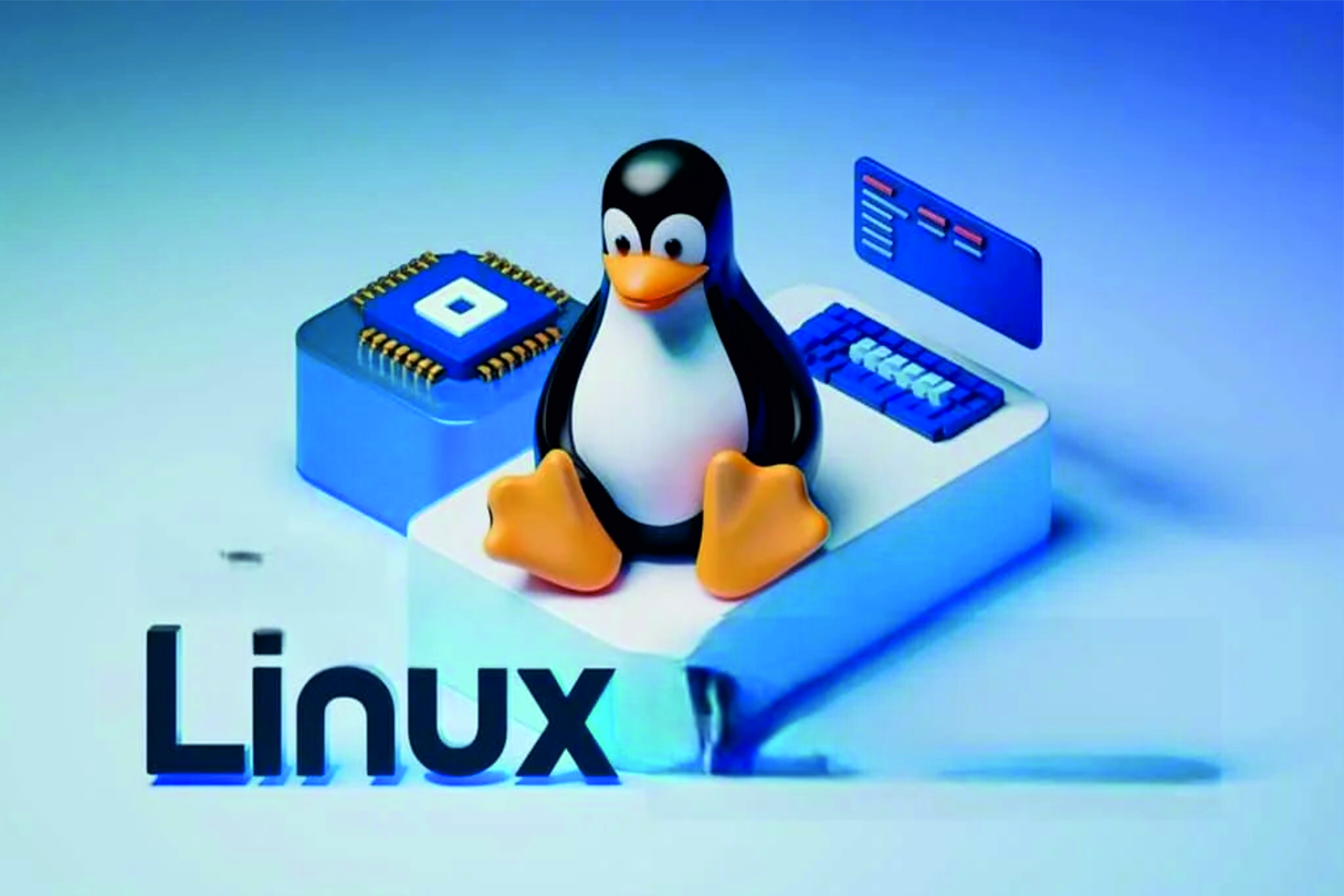
Linux System Administration involves managing and maintaining Linux-based systems. It includes tasks like user management, software installation, system updates, and security. Admins use command-line tools to configure services and troubleshoot issues. Popular distributions include Ubuntu, CentOS, and Red Hat. It is widely used in servers, cloud environments, and enterprise systems.
Build resilient, high-performance Linux ecosystems—your future starts now
Linux System Administration
Module 1
Introduction to Linux System Administration
- What is Linux and Why Use It?
- Popular Linux Distributions (Ubuntu, CentOS, Red Hat)
- Roles & Responsibilities of a Linux Administrator
- Terminal vs GUI
- Basic Linux Commands
Module 2
Installation and Configuration of Linux
- Installation of Ubuntu/CentOS/RHEL
- Partitioning and File Systems
- Basic System Configuration
- Understanding the Linux Boot Process
- Systemd and Services
Module 3
User and Group Management
- Adding/Deleting Users and Groups
- File Permissions and Ownership (chmod, chown, chgrp)
- Understanding /etc/passwd, /etc/shadow
- Sudo Access and Root Privileges
Module 4
Linux File System Management
- Understanding Linux Directory Structure
- Mounting and Unmounting File Systems
- Logical Volume Management (LVM)
- Disk Partitioning (fdisk, parted)
- File Compression and Archiving (tar, gzip, zip)
Module 5
Package Management
- Package Managers (APT, YUM, DNF)
- Installing, Updating & Removing Packages
- Managing Repositories
- Compiling Software from Source
Module 6
Network Configuration and Services
- IP Configuration (ifconfig, ip, netplan)
- Hostname, DNS, Gateway Settings
- Network Troubleshooting (ping, traceroute, netstat)
- SSH Setup and Configuration
Module 7
Process & Service Management
- Managing Background Processes (ps, top, htop)
- Service Management using systemd (systemctl)
- Scheduling Tasks with cron and at
- Managing Startup Services
Module 8
Security & Firewall Configuration
- Linux Firewall (ufw, firewalld, iptables)
- Securing SSH
- File Integrity Tools
- SELinux and AppArmor (basic intro)
Module 9
File Sharing & Remote Access
- NFS and Samba Setup
- Mounting Remote Directories
- Configuring FTP/SFTP Services
- SCP and Rsync for File Transfers
Module 10
Backup and Recovery
- Backup Tools: rsync, tar, dump
- Automating Backups with cron
- System Restore Points
- Disaster Recovery Planning
Module 11
Monitoring & Performance Tuning
- Monitoring Tools: top, vmstat, iostat, sar
- Log Files: /var/log
- Disk Usage and Cleanup (du, df, ncdu)
- Performance Optimization Tips
Module 12
Server Roles & Applications
- Web Server (Apache/Nginx)
- Database Server (MySQL/PostgreSQL)
- DNS and DHCP Server Basics
- Mail Server Introduction

Shell Scripting & Automation
Bash Scripting Basics
Writing Scripts for Daily Admin Tasks
Using Variables, Loops, and Conditions
Automating Maintenance Jobs